

The Orang Laut are indigenous seafaring communities that have traditionally lived off the coasts of Southeast Asia, including the waters around Singapore. "Orang Laut" is a Malay term that means "sea people" or "people of the sea". They are also known as "sea nomads" or "sea gypsies". They were skilled sailors, fishermen, and traders who made their living from the sea. They lived in boats and would move from place to place depending on the availability of resources.
Historically, the Orang Laut played an important role in the maritime trade networks of Southeast Asia. They would trade with other coastal communities for goods such as fish, shells, and pearls.
The Orang Laut of Singapore, like many indigenous communities around the world, has faced various challenges and changes throughout history. With the growth of urbanization and modernization in Singapore, many Orang Laut communities have been displaced from their traditional ways of life and assimilated into mainstream society. While the 'Orang Laut' culture has been well-documented on a national scale, much of its culture has been lost.
"Looking South" explores the possibilities of how 'Orang Laut' practices and traditions can be preserved and applied in the ever-changing landscape of Singapore.
Historically, the Orang Laut played an important role in the maritime trade networks of Southeast Asia. They would trade with other coastal communities for goods such as fish, shells, and pearls.
The Orang Laut of Singapore, like many indigenous communities around the world, has faced various challenges and changes throughout history. With the growth of urbanization and modernization in Singapore, many Orang Laut communities have been displaced from their traditional ways of life and assimilated into mainstream society. While the 'Orang Laut' culture has been well-documented on a national scale, much of its culture has been lost.
"Looking South" explores the possibilities of how 'Orang Laut' practices and traditions can be preserved and applied in the ever-changing landscape of Singapore.
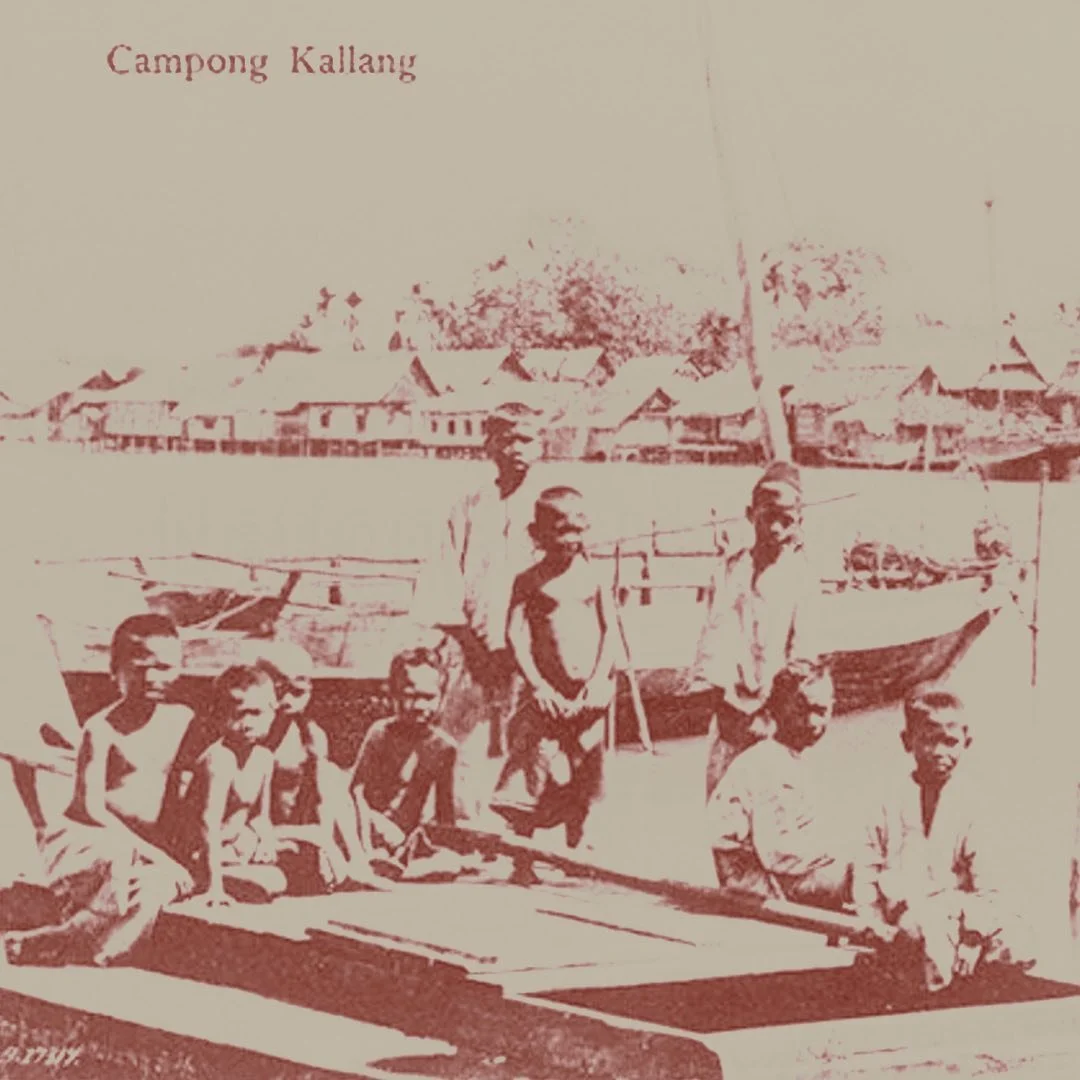
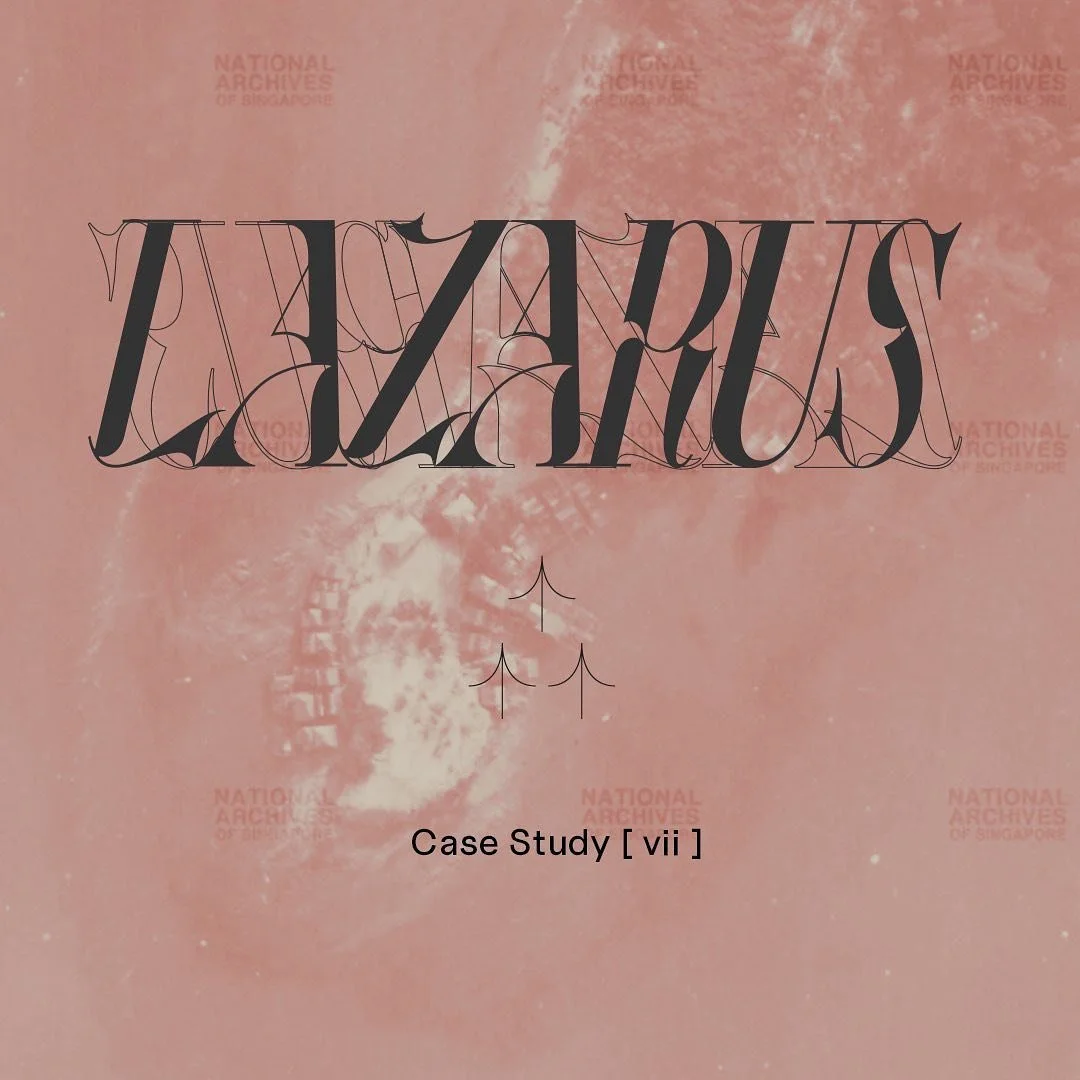
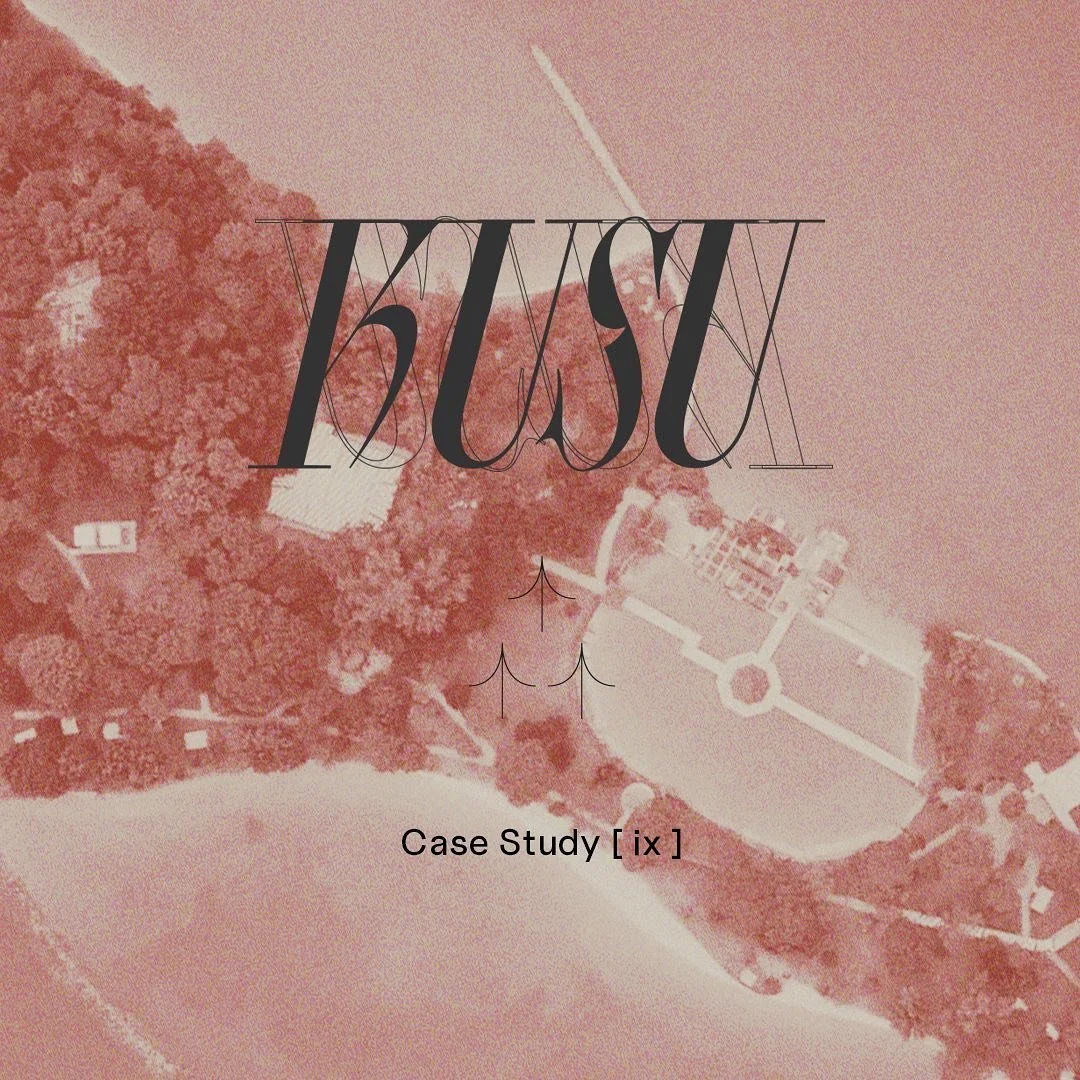
National Archives, 2023
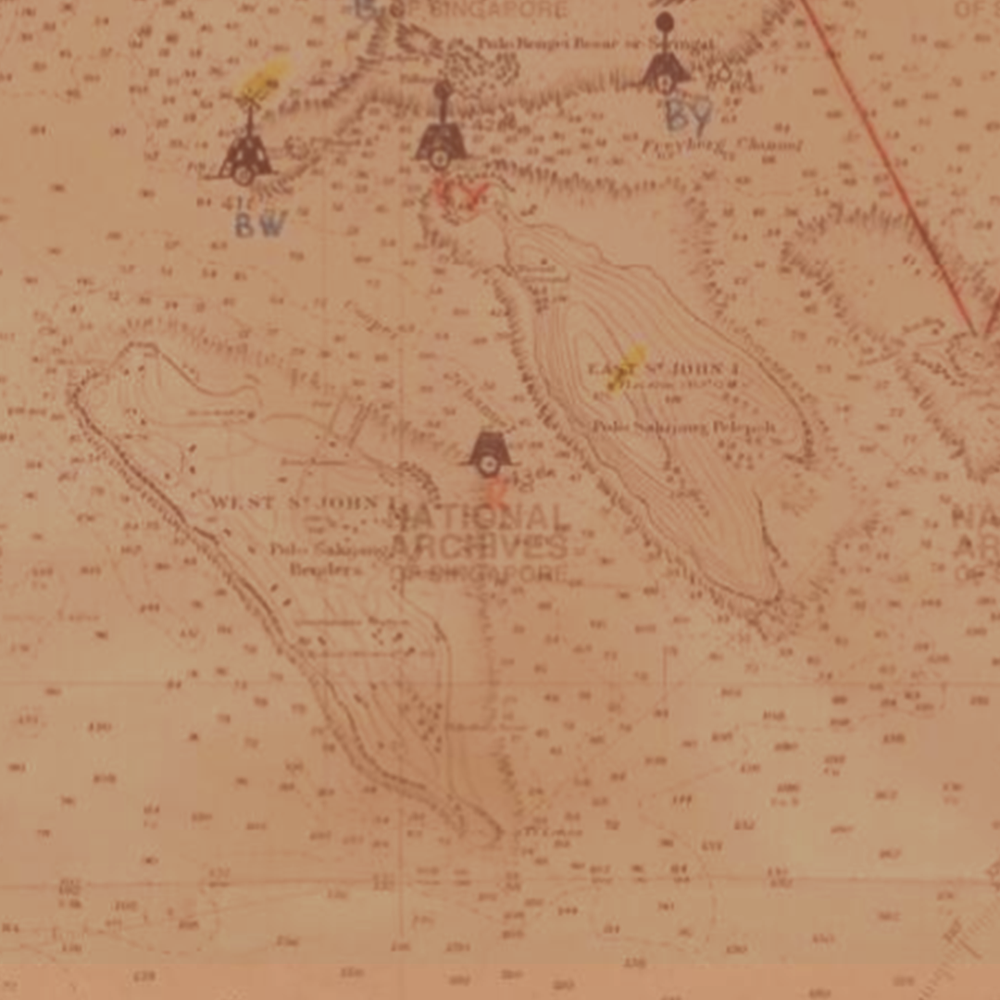
National Archives, 2023
Before the British East India Company colonised Singapore, various Asian communities from the archipelago and East Asia were already inhabiting the island. Most of these communities were located along the coastal sections of the island and on the smaller islands surrounding mainland Singapore. Among these communities were the Orang Laut.
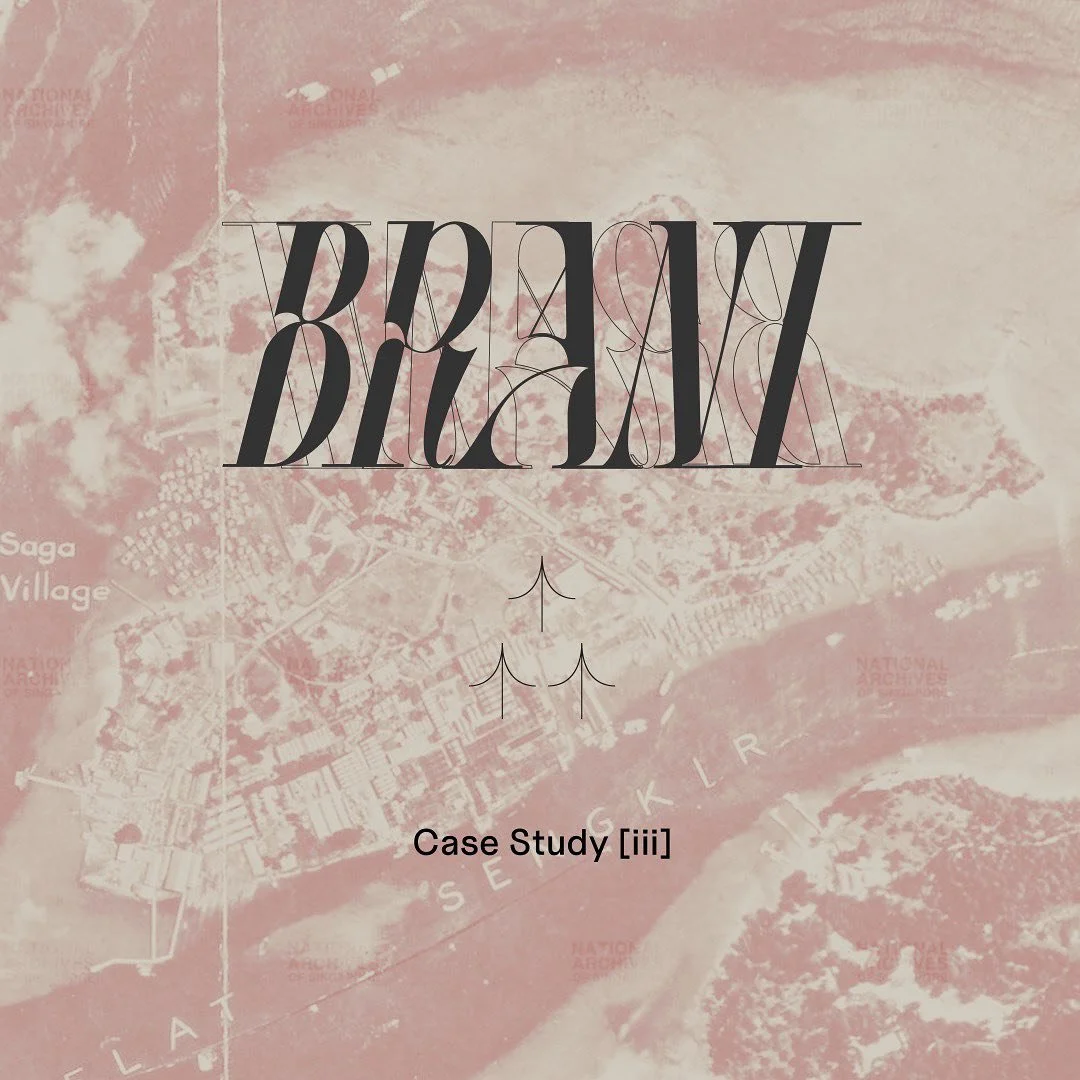
The Orang Laut comprised different tribes (also known as ‘suku’). Some tribes resided in the northern coastal mangroves, while others lived in the southern coastal waters. The four main Orang Laut tribes of Singapore were "Suku Selat", "Suku Gelam", "Suku Kallang" and "Suku Seletar". Each of these Orang Laut tribes was distinctly different and specialised in a variety of skills. For example, the Orang Laut from ‘Suku Kallang’ acted as harbour pilots; guiding large trading vessels into Singapore's tiny port.
The Orang Laut comprised different tribes (also known as ‘suku’). Some tribes resided in the northern coastal mangroves, while others lived in the southern coastal waters. The four main Orang Laut tribes of Singapore were "Suku Selat", "Suku Gelam", "Suku Kallang" and "Suku Seletar". Each of these Orang Laut tribes was distinctly different and specialised in a variety of skills. For example, the Orang Laut from ‘Suku Kallang’ acted as harbour pilots; guiding large trading vessels into Singapore's tiny port.
Singapore is famously known as the "Little Red Dot". This nickname was coined by the former Indonesian President, B.J. Habibie, in 1998. The term "Little Red Dot" refers to the small red dot used on maps to represent Singapore due to its size. But in fact, Singapore comprises a main island known as "Pulau Ujong" and 32 smaller islands surrounding the main island. The furthest island from mainland Singapore is "Pedra Branca"; a highly contested island that sits roughly 24 nautical miles east of Singapore.
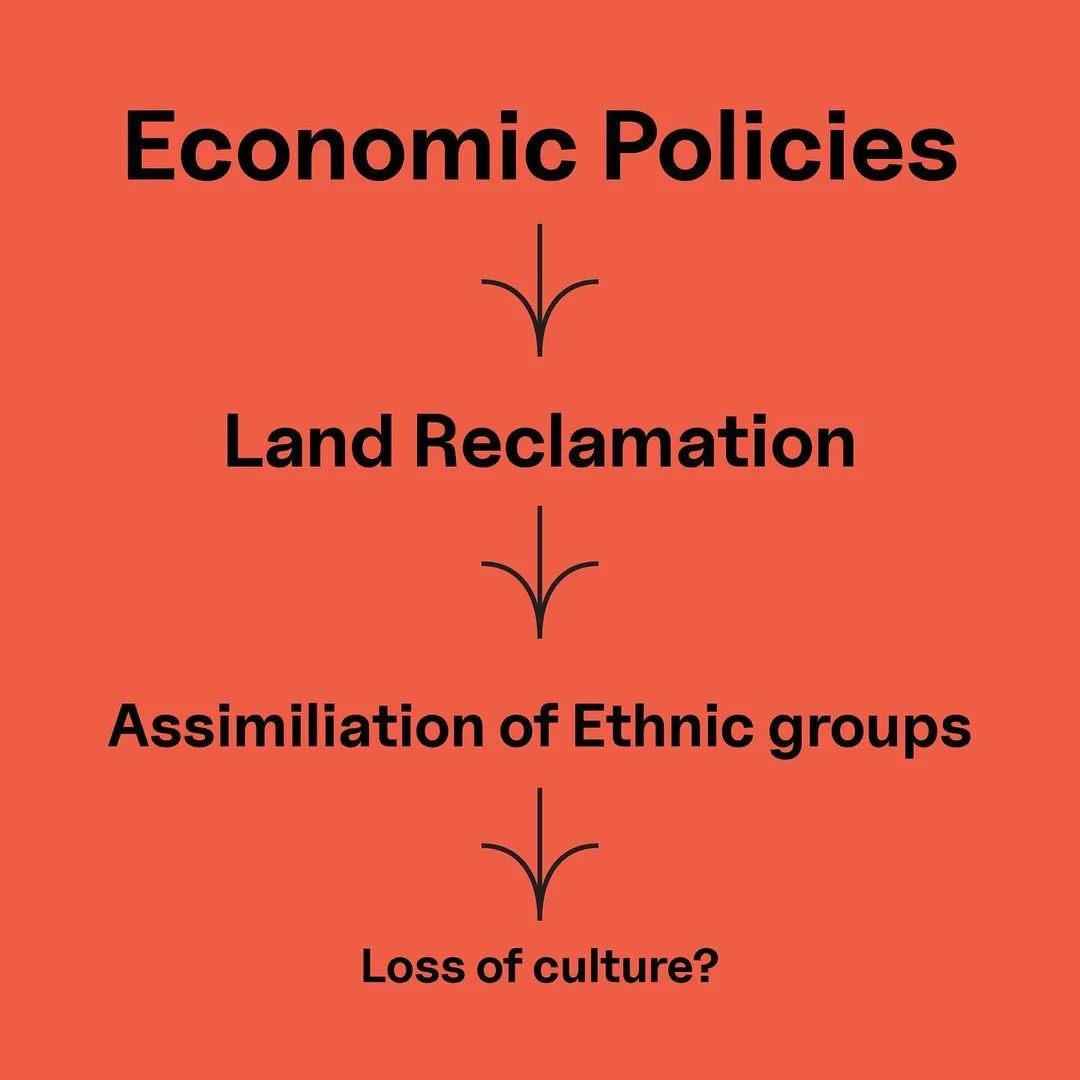
The independence of Singapore, inexplicably propelled the government to redesign the geographical landscape to meet the needs of a young and emerging nation. Land reclamation efforts were in full effect and in between 1965 and 2015, Singapore would reclaim an astounding 13,800 hectares of land. In the process of carving a new geographical landscape, plenty of islands were merged to form larger clusters of land. The process is commonly known as "island amalgamation" or "island consolidation." Jurong Island is an example of land reclamation and island amalgamation in Singapore. The development of Jurong Island involved merging seven smaller islands, namely Pulau Ayer Chawan, Pulau Ayer Merbau, Pulau Merlimau, Pulau Pesek, Pulau Pesek Kecil, Pulau Sakra, and Pulau Seraya.
The amalgamation of these islands was carried out through extensive land reclamation, where the surrounding waters were filled in with sand and other materials to connect and enlarge the islands into one cohesive landmass.
The independence of Singapore, inexplicably propelled the government to redesign the geographical landscape to meet the needs of a young and emerging nation. Land reclamation efforts were in full effect and in between 1965 and 2015, Singapore would reclaim an astounding 13,800 hectares of land. In the process of carving a new geographical landscape, plenty of islands were merged to form larger clusters of land. The process is commonly known as "island amalgamation" or "island consolidation." Jurong Island is an example of land reclamation and island amalgamation in Singapore. The development of Jurong Island involved merging seven smaller islands, namely Pulau Ayer Chawan, Pulau Ayer Merbau, Pulau Merlimau, Pulau Pesek, Pulau Pesek Kecil, Pulau Sakra, and Pulau Seraya.
The amalgamation of these islands was carried out through extensive land reclamation, where the surrounding waters were filled in with sand and other materials to connect and enlarge the islands into one cohesive landmass.
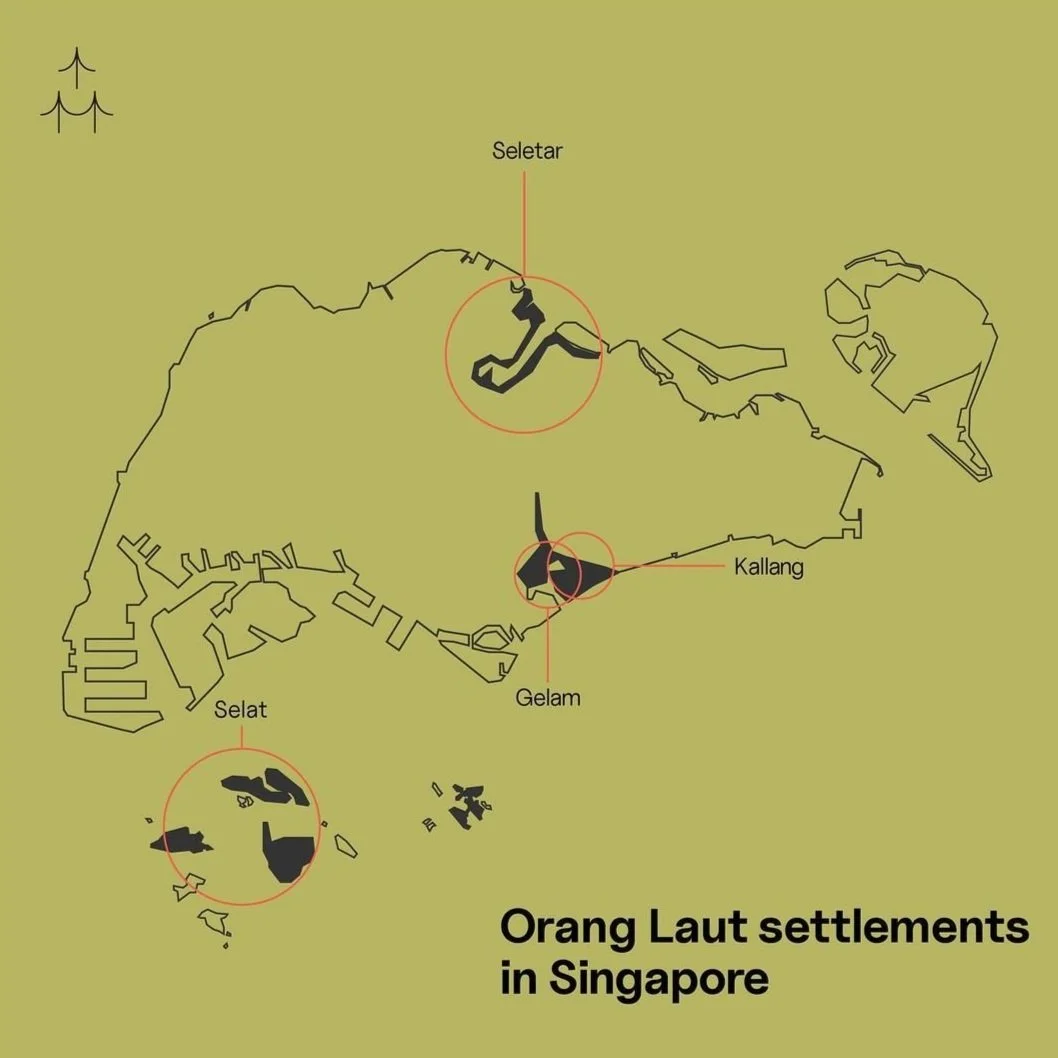
Did Singapore's economic ambitions led to the loss of its own culture?





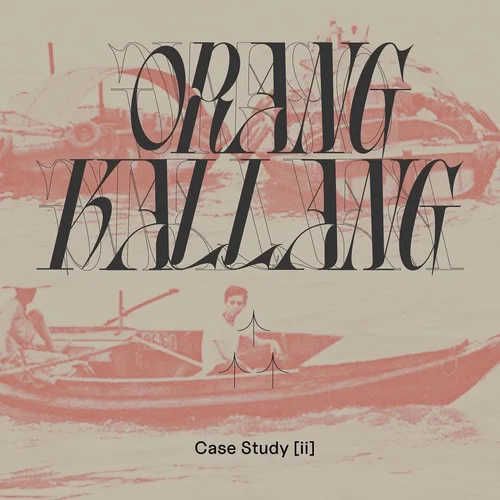
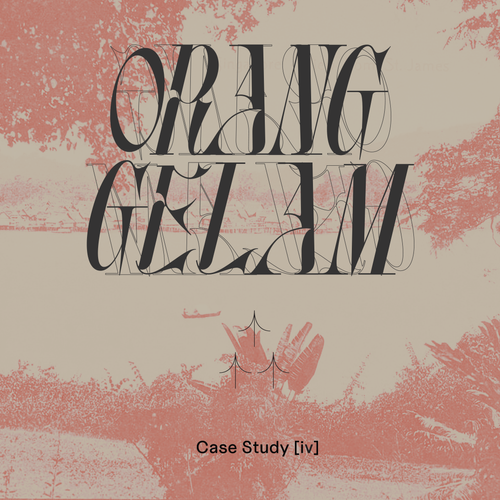
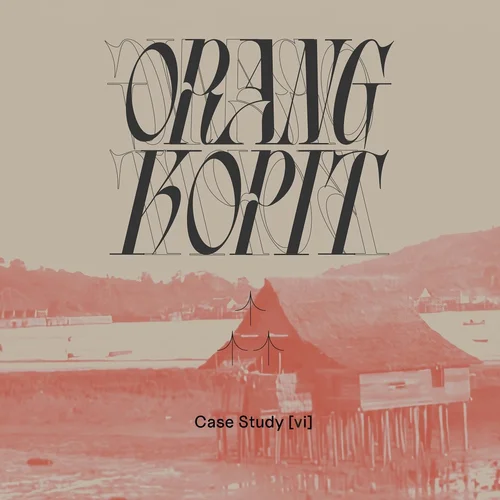
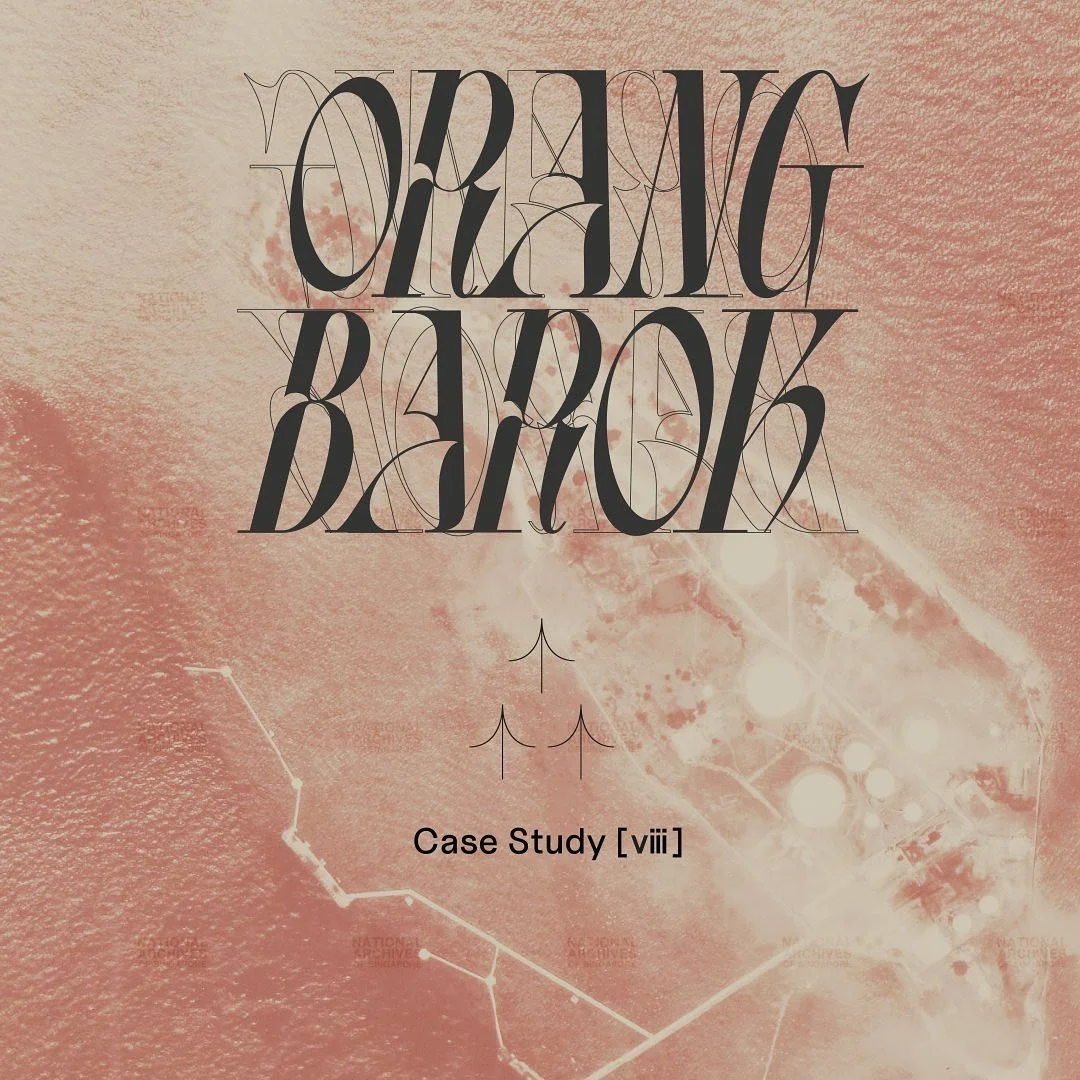
So while the sea is the same everywhere, everywhere it is different

The kolek, a traditional sailing vessel indigenous to Indonesia and Malaysia, epitomizes the region’s maritime heritage. Crafted by skilled artisans using local materials like hardwoods for the hull and bamboo for outriggers, the kolek boasts a sleek design with a single mast and triangular sail. Its distinctive outriggers provide stability in the often unpredictable waters of the archipelago, making it an ideal vessel for fishing, trade, transportation, and exploration. Beyond its practical utility, the kolek holds profound cultural significance, symbolizing the seafaring traditions and navigational prowess of the people from the archipelago.
Although modern maritime technology has diminished its practical use, efforts to preserve and promote the kolek persist. Communities celebrate its heritage through ceremonial events, regattas, and cultural festivals. The kolek serves as a tangible link to the past, reminding Indonesians and Malaysians alike of their shared history and deep-rooted connection to the sea.
Although modern maritime technology has diminished its practical use, efforts to preserve and promote the kolek persist. Communities celebrate its heritage through ceremonial events, regattas, and cultural festivals. The kolek serves as a tangible link to the past, reminding Indonesians and Malaysians alike of their shared history and deep-rooted connection to the sea.

The similarity in the design and function of the sampan house is attributed to the Sea People of Singapore and Malaysia, specifically the Orang Laut, despite having different names for it. These communities share a common ancestry, hailing from regions like the Riau Archipelago, Riau, Jambi, and Bangka-Belitung. The sampan kajang or kolek holds immense cultural significance as the Orang Laut's primary dwelling, protecting them from the elements while also serving as a crucial asset for fishing and economic activities.
The Orang Laut rely on these boats to spearhead fishing expeditions, access niches, explore upstream rivers, and harvest various marine resources for consumption and sale. Beyond economic purposes, the sampan kajang also serves as the focal point for social and communal activities,where family members gather and live together. In the Orang Laut's cosmology, the mainland merely serves as a temporary stopover for obtaining essential resources like clean water and food, as their lives predominantly revolve around sailing on the sampan kajang, an integral part of their daily routine.
The Orang Laut rely on these boats to spearhead fishing expeditions, access niches, explore upstream rivers, and harvest various marine resources for consumption and sale. Beyond economic purposes, the sampan kajang also serves as the focal point for social and communal activities,where family members gather and live together. In the Orang Laut's cosmology, the mainland merely serves as a temporary stopover for obtaining essential resources like clean water and food, as their lives predominantly revolve around sailing on the sampan kajang, an integral part of their daily routine.
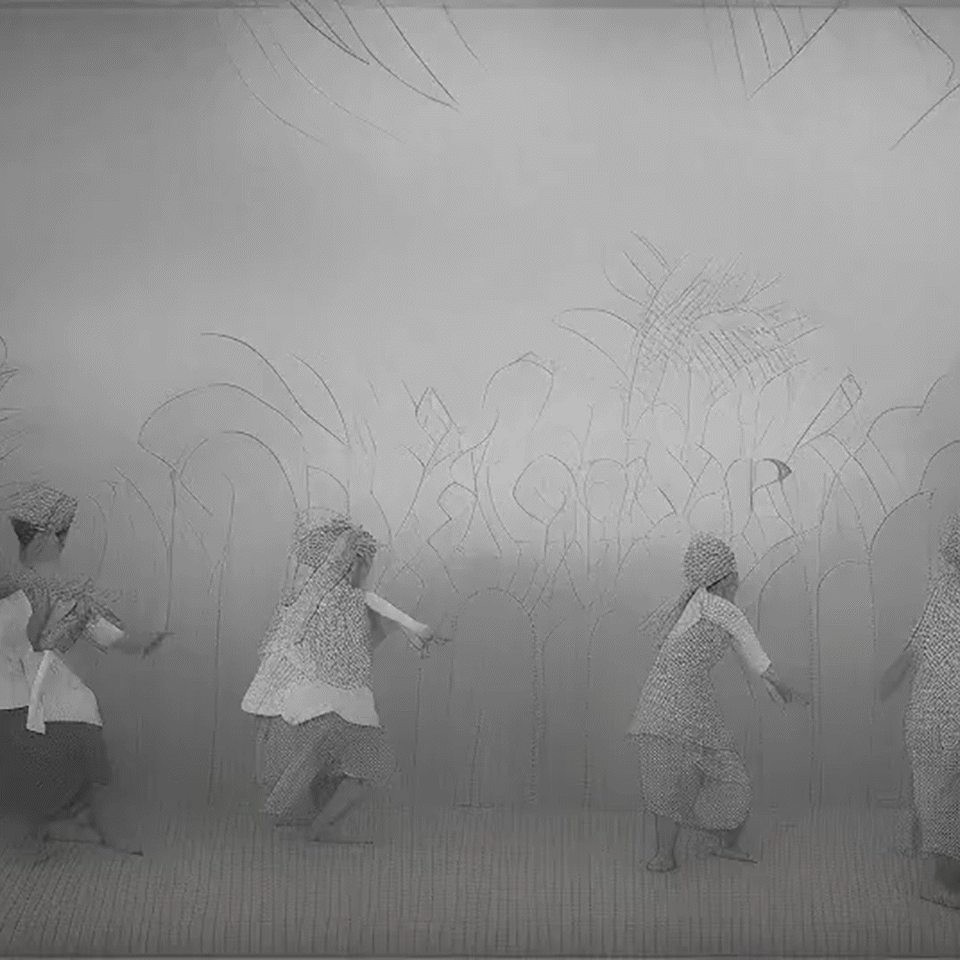
The Merawai dance, once on the brink of extinction and exclusive to the Laut People residing in Lipan Island’s Penuba Village, Selayar District, Lingga Regency, made a comeback in 2018 after vanishing from Lipan Island. This distinct dance, now performed infrequently, stands as a cultural treasure uniquely preserved on Lipan Island. Intriguingly, this dance remains unfamiliar in other maritime communities, though there are still individuals, particularly elder practitioners, who possess knowledge of it.
Typically unfolding in expansive settings, such as in front of houses or open fields, the Merawai dance radiates a joyful ambiance, depicting activities associated with yearning or fishing in the sea. Accompanying the dance are traditional musical instruments, including gongs, drums, and bamboo violins. The dance features four specific roles: the artisan merawai (installing longlines), two timba (wasting water) workers, three craftsmen oars, and four steersmen. The number of participants in the Merawai dance is flexible, with no standardized rules; it can involve four, eight, 12 people, or more. Notably, the performers in the Merawai dance are exclusively women. The seamless integration of traditional musical instruments enhances the overall performance of the Merawai dance.
Typically unfolding in expansive settings, such as in front of houses or open fields, the Merawai dance radiates a joyful ambiance, depicting activities associated with yearning or fishing in the sea. Accompanying the dance are traditional musical instruments, including gongs, drums, and bamboo violins. The dance features four specific roles: the artisan merawai (installing longlines), two timba (wasting water) workers, three craftsmen oars, and four steersmen. The number of participants in the Merawai dance is flexible, with no standardized rules; it can involve four, eight, 12 people, or more. Notably, the performers in the Merawai dance are exclusively women. The seamless integration of traditional musical instruments enhances the overall performance of the Merawai dance.
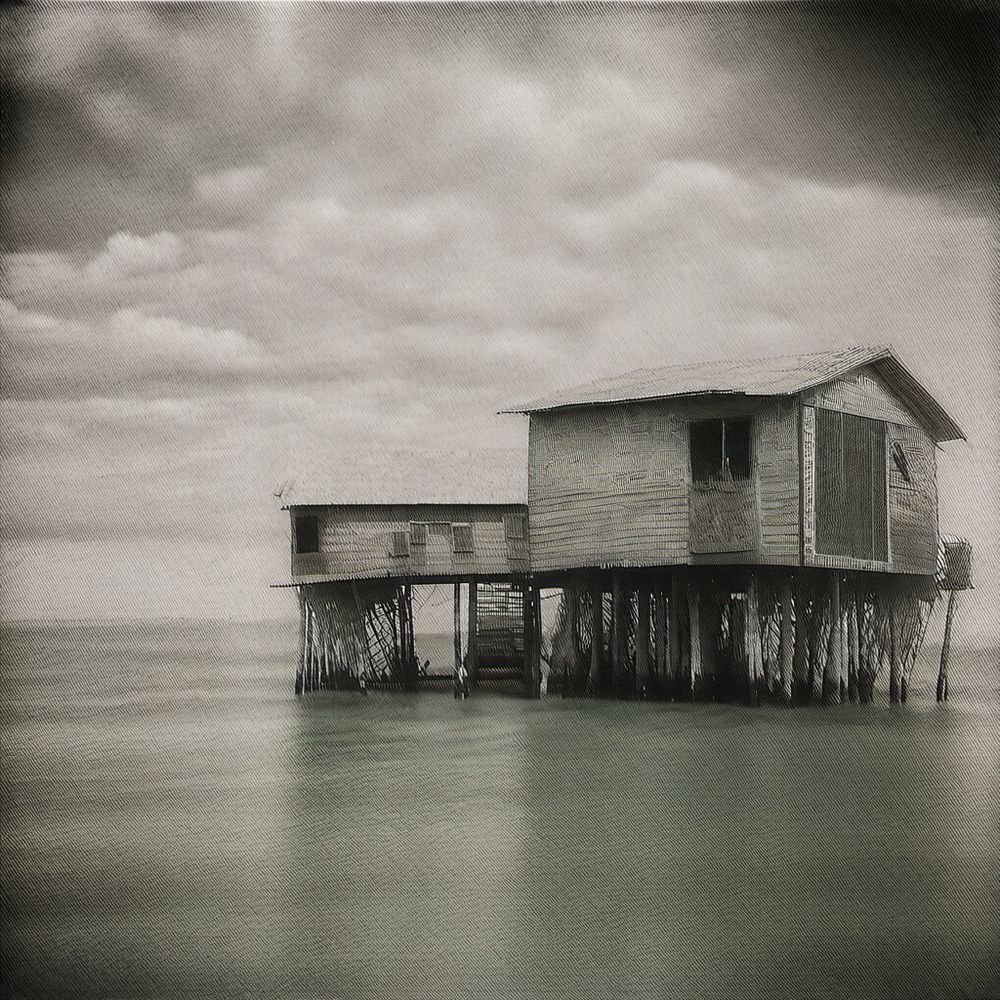
Sapau houses functioned as temporary shelters for the Orang Laut. These stilt structures, fashioned from Mengkuang leaves and adorned with Rumbia leaves, have a modest spatial layout, measuring approximately 10 square meters. Each Sapau features a single spacious living area accommodating various activities( occassionally, some units include bedrooms). Despite this residential evolution, the Sea Tribe continues to use Kajang for sea excursions, fishing, and extended stays. The construction of Sapaus relies on materials sourced from coastal forests, showcasing the tribe's inherited carpentry skills, utilizing logs with a certain diameter as the primary structural elements. The walls and roof of Sapau incorporate materials similar to Kajang or Rumbia. Sapau are usually situated along island perimeters or even found in open waters.